
Mike Wolfe Passion Project: Preserving History & Revitalizing Communities
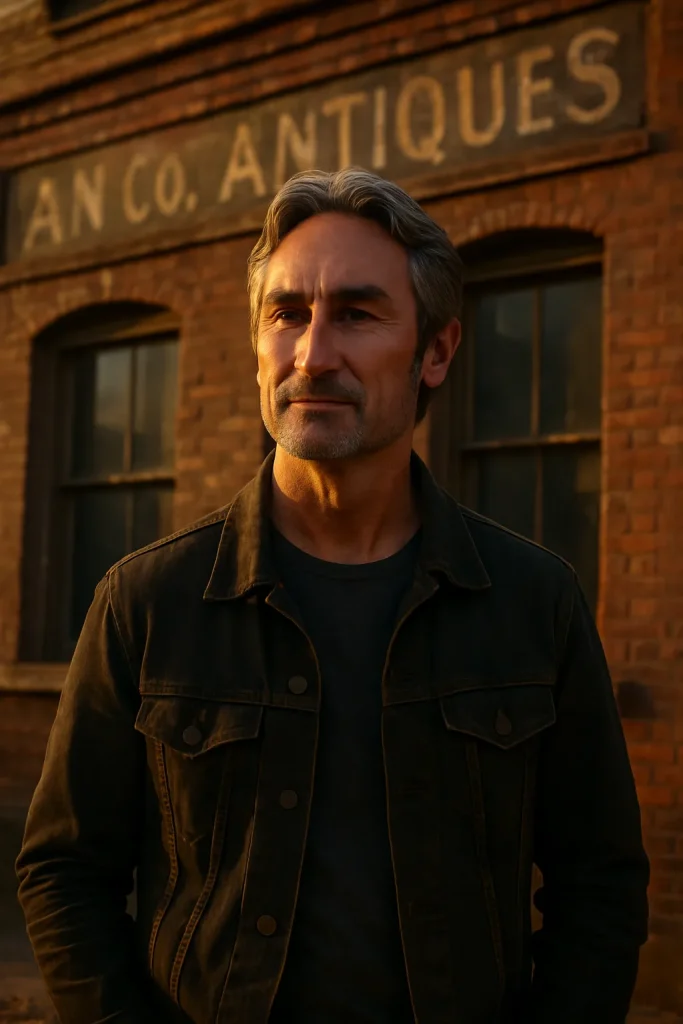
Mike Wolfe Passion Project: Breathing New Life Into History
Where most people see collapsing rooftops and faded storefronts, Mike Wolfe sees opportunity. Best known as the creator and star of American Pickers, Wolfe has spent years exploring America’s forgotten backroads, uncovering antiques tucked away in barns and attics. But beyond the collectibles lies his true passion—restoring history, saving communities, and revitalizing small towns.
This ongoing mission, now widely known as the Mike Wolfe Passion Project, goes far beyond collecting vintage treasures. It’s about giving new life to old spaces, supporting artisans, and inspiring people to see history not as something fading away, but as something worth preserving and celebrating.
What is the Mike Wolfe Passion Project?
At its core, the Mike Wolfe Passion Project is about preservation, restoration, and storytelling. Instead of watching historic buildings decay or face demolition, Wolfe buys and restores them with care, always keeping their original spirit alive.
These buildings aren’t just restored for show—they’re repurposed into antique shops, community spaces, creative studios, and small businesses that spark life back into their towns. In doing so, Wolfe is proving that the past can power the future.
From American Picker to Preservationist
Millions know Wolfe from American Pickers, where he traveled cross-country in search of lost treasures. But along the way, he discovered an even greater treasure: the architecture, craftsmanship, and history embedded in America’s small towns.
This realization shifted his mission. Instead of just collecting objects, Wolfe turned his attention to saving the spaces and stories that held them. His passion for preservation now plays out in brick, wood, and stone—reviving buildings one by one.
Columbia, Tennessee: The Heart of His Work
One of Wolfe’s biggest restoration success stories is in Columbia, Tennessee. This Southern town, rich with vintage charm, had many buildings at risk of abandonment.
Wolfe began buying and restoring properties, from old storefronts to historic homes, and reimagining them for modern use. His efforts created a ripple effect:
- Local businesses flourished, moving into restored spaces.
- Tourism grew, as visitors were drawn to Columbia’s revived historic core.
- Community pride returned, as residents saw their town preserved instead of erased.
Today, Columbia stands as a living example of preservation as revitalization.
Restoring with Purpose
For Wolfe, restoration isn’t about glossy modern upgrades—it’s about honoring the soul of a structure. Weathered brick, faded signage, and original woodwork aren’t flaws; they’re storytelling details that connect people to the past.
Each restoration project serves a purpose:
- Shops & Studios – filled with antiques, local art, and handmade goods.
- Event Hubs – gathering spaces for concerts, markets, and civic events.
- Small Business Homes – giving entrepreneurs affordable, meaningful places to thrive.
This philosophy ensures his work serves both heritage and community needs.
A Platform for Artisans and Creatives
Another key part of the Mike Wolfe Passion Project is supporting American makers. Wolfe often collaborates with artisans, carpenters, and craftspeople to keep restorations authentic.
These restored spaces then become platforms where creators showcase their work, whether it’s vintage-inspired furniture, hand-forged tools, or local artwork. The result is a micro-economy built on heritage and creativity, rooted in the same craftsmanship Wolfe celebrates.
Sustainability Through Preservation
In a world often obsessed with new construction, Wolfe’s approach is a reminder that restoration is sustainability. His team salvages original materials, reduces waste, and repurposes structures instead of tearing them down.
By breathing new life into old buildings, Wolfe cuts down on carbon emissions while protecting cultural integrity. His passion project proves that green development doesn’t always mean futuristic design—it can mean respecting and reviving the past.
Storytelling and Education
Wolfe also uses his platform to educate and inspire. Through social media, interviews, and behind-the-scenes content, he shares not just the restorations, but also the stories of the buildings, their former owners, and their historical significance.
This storytelling element ensures that preservation is not only about saving buildings, but also about connecting people to history in a living, meaningful way.
Challenges Along the Way
Like any ambitious mission, Wolfe’s passion project has faced hurdles:
- Strict zoning laws that complicate preservation projects.
- Costly permits and restoration expenses.
- Structural surprises in old, neglected buildings.
Yet, Wolfe’s persistence—and the expertise of his preservation team—has helped him overcome these challenges. Each success has inspired other small towns to pursue preservation instead of demolition.
More Than a Project: A Legacy
What began as a side project has grown into Wolfe’s lifelong mission. His work in Columbia and beyond has sparked a broader preservation movement across America.
He’s proven that creating value doesn’t always mean building something new. Sometimes, the most powerful act is to protect what already exists and give it a second chance.
What’s Next for the Mike Wolfe Passion Project?
Wolfe shows no signs of slowing down. His plans include:
- Expanding preservation to new towns across the U.S.
- Launching more educational content about historic preservation.
- Potentially producing a documentary or series focused on revitalization.
The project that started with a few buildings is now becoming a nationwide platform for advocacy, storytelling, and community pride.
Final Thoughts
The Mike Wolfe Passion Project is more than restoration—it’s a movement. By preserving historic buildings, empowering artisans, and revitalizing small towns, Wolfe has built a legacy that extends far beyond what fans see on television.
This isn’t nostalgia—it’s vision. Wolfe reminds us that the past isn’t just worth remembering—it’s worth building a future on.


