
United Airlines Flight UA770 Diversion to Denver: Full Incident Explained
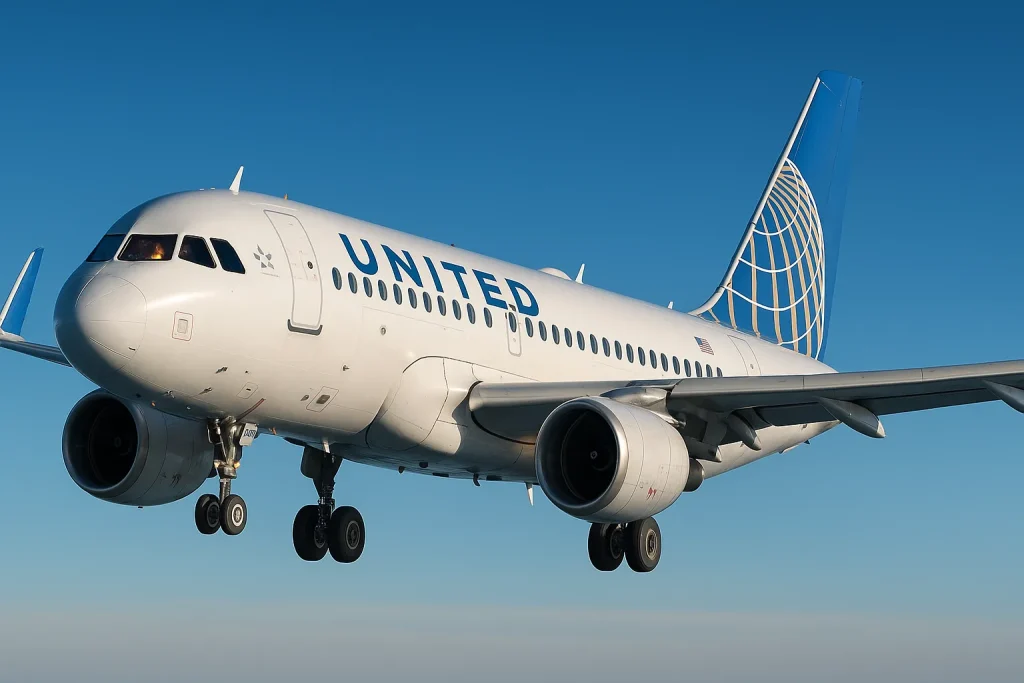
United Airlines Flight UA770 Emergency Diversion: What Really Happened
On July 28, 2025, passengers aboard United Airlines Flight UA770 experienced a dramatic but carefully managed turn of events. Scheduled to travel from San Francisco (SFO) to Chicago O’Hare (ORD), the Airbus was forced to make an emergency diversion to Denver International Airport (DEN) after unusual system warnings triggered safety concerns.
Although the flight landed safely with no injuries, the diversion highlighted the importance of crew readiness, strong communication, and strict safety-first protocols in modern aviation.
Incident Overview: UA770’s Unexpected Change of Course
United Flight UA770 departed from San Francisco International Airport at 7:30 AM, heading east across the country. About 90 minutes into the journey, the cockpit crew noticed irregular readings from one of the aircraft’s critical systems.
Rather than risk continuing on to Chicago, the captain declared an emergency and rerouted the plane to Denver, where emergency facilities and maintenance support were readily available.
To passengers, the sudden announcement of an emergency diversion was surprising. But to aviation professionals, the decision reflected the industry’s zero-compromise approach to safety.
What Triggered the Diversion?
Preliminary reports from United Airlines and aviation experts suggest the warning came from the aircraft’s hydraulic system.
Hydraulics are essential for:
- Controlling flight surfaces (such as flaps and rudders)
- Operating landing gear
- Managing braking systems
While the system had not yet failed, anomalies of this kind can escalate quickly at altitude. For safety, the crew diverted to Denver International Airport, a facility equipped to handle both emergency landings and technical inspections.
Crew Response: Calm Under Pressure
One of the most praised aspects of the UA770 diversion was how professionally the crew handled the event.
- The captain kept passengers informed, explaining the diversion and reassuring everyone on board.
- Flight attendants moved calmly through the cabin, checking seat belts, assisting elderly passengers, and ensuring passengers were prepared for a precautionary landing.
- The cabin atmosphere remained orderly and calm, according to multiple passenger testimonials.
This quick, composed response prevented panic and turned what could have been a frightening scenario into a well-managed safety exercise.
Passenger Experiences
For those on board, the diversion was a mix of anxiety and relief. Many turned to social media once on the ground to share their stories.
One passenger posted on X (formerly Twitter):
“Shoutout to the UA770 crew. They kept us calm and informed the whole time. Unexpected stop in Denver, but grateful to be safe.”
United Airlines provided passengers with:
- Meal vouchers
- Hotel accommodations where necessary
- Rebooked flights to Chicago
While the situation caused delays, many passengers expressed gratitude toward the crew’s handling of the incident.
United Airlines’ Response
Shortly after the safe landing, United Airlines released a public statement:
- Confirming the diversion was due to a technical warning
- Reassuring passengers and the public that safety was never compromised
- Committing to a full inspection of the aircraft before it returned to service
This proactive communication helped limit negative fallout and reinforced the airline’s safety-first image.
What Emergency Diversions Mean in Aviation
Although dramatic-sounding, diversions like UA770’s are not uncommon. Airlines regularly divert flights when risks are detected, whether due to:
- Mechanical warnings
- Severe weather
- Medical emergencies
- Passenger disruptions
Every commercial crew trains extensively for these scenarios, and airlines prioritize landing at the nearest suitable airport when anomalies arise.
FAA Investigation and Next Steps
As standard procedure, the Federal Aviation Administration (FAA) launched a review of the UA770 diversion. The focus will be on the hydraulic warning system, ensuring no underlying risks remain.
United Airlines’ maintenance teams will inspect the aircraft, with special attention to hydraulic integrity, to prevent future occurrences.
These steps ensure accountability, transparency, and continued trust in aviation safety.
Expert Opinions on UA770
Aviation safety experts praised the crew’s decision-making:
- “Declaring an emergency early is always the right call,” noted one former FAA inspector.
- Analysts emphasized the importance of treating even minor warnings seriously, as they can escalate without warning.
The UA770 diversion is already being used as a training example in aviation circles, reinforcing the principle: “When in doubt, divert.”
Key Lessons from the UA770 Diversion
- Crew preparedness is critical – Proper training ensures quick, calm action.
- Clear communication reduces panic – Keeping passengers informed builds trust.
- Minor warnings should never be ignored – Preventive action saves lives.
- Safety outweighs convenience – Diversions are costly and disruptive, but essential when risks arise.
For passengers, it’s a reminder that while diversions may be inconvenient, they exist to protect lives, not schedules.
Conclusion: A Textbook Case of Safety First
The United Airlines Flight UA770 emergency diversion to Denver is a reminder of how modern aviation handles challenges: with discipline, training, and a strict commitment to safety.
Thanks to the crew’s quick decision-making and United’s response, what could have become a serious situation ended as a textbook example of effective crisis management.
As the FAA completes its review, both passengers and aviation professionals can take comfort in knowing that aviation safety protocols worked exactly as designed.


